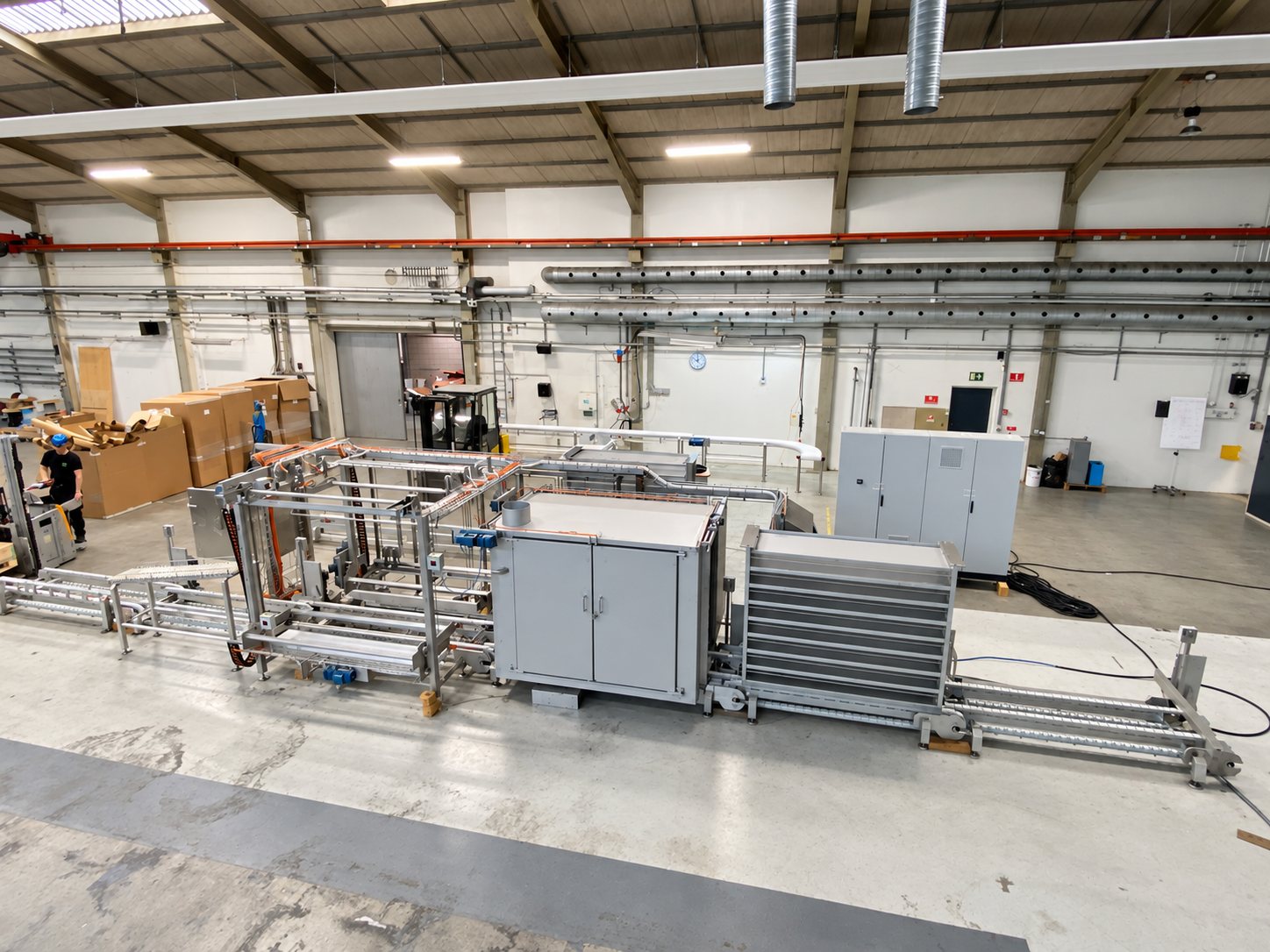
Storage and brining racks
Washing of racks from the ripening room and the brine. Destacking, washing, blow-off and restacking can be part of the same line.
Call us: HSV Combi +45 42 75 53 54
Solutions
Custom-designed solutions for the cheese industry
From the first process idea to a plant in stable operation – developed around your product and your production.
All solutionsEquipment
Equipment for every step in cheese production
Find the equipment by the process step you are working on – or explore the whole cheese plant.
Explore the interactive cheese plantClean equipment, every single day
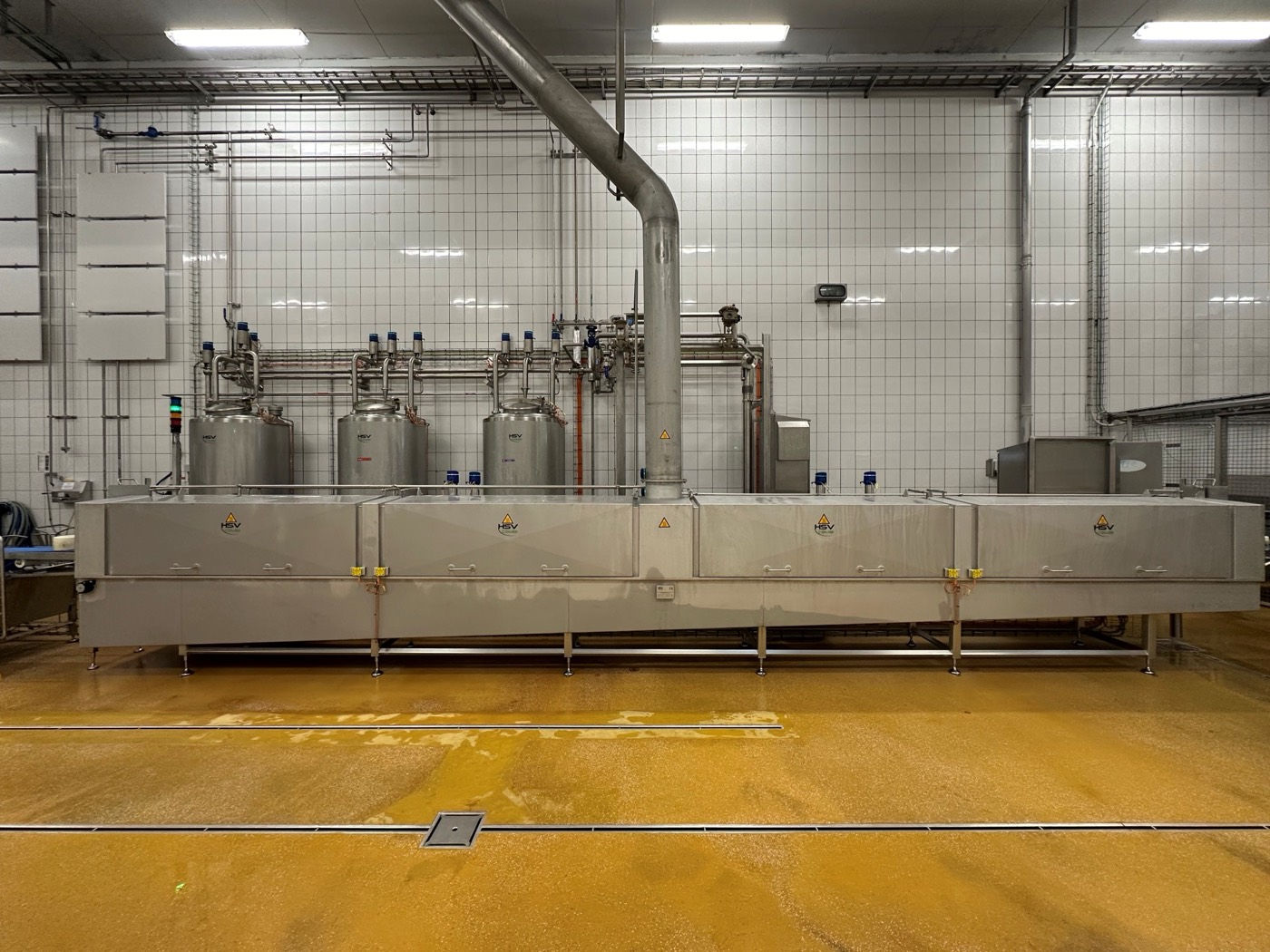
We build washing lines for storage racks, brining racks, cheese, cheese molds, lids, block molds and special items.
In brief – for those making the investment decision
Potential operational effect
Lower consumption of water, chemicals and energy, plus the potential for less manual cleaning.
Basis for calculation
Risk and other value
More consistent cleaning, better documentation and a stronger basis for hygienic validation.
The expected effect is calculated from your baseline and depends on product, process, capacity and operation.
What we wash
The item's shape, weight, soiling and material determine zones, nozzles, conveying and programs. That is why the washing lines are customized.
Washing of racks from the ripening room and the brine. Destacking, washing, blow-off and restacking can be part of the same line.
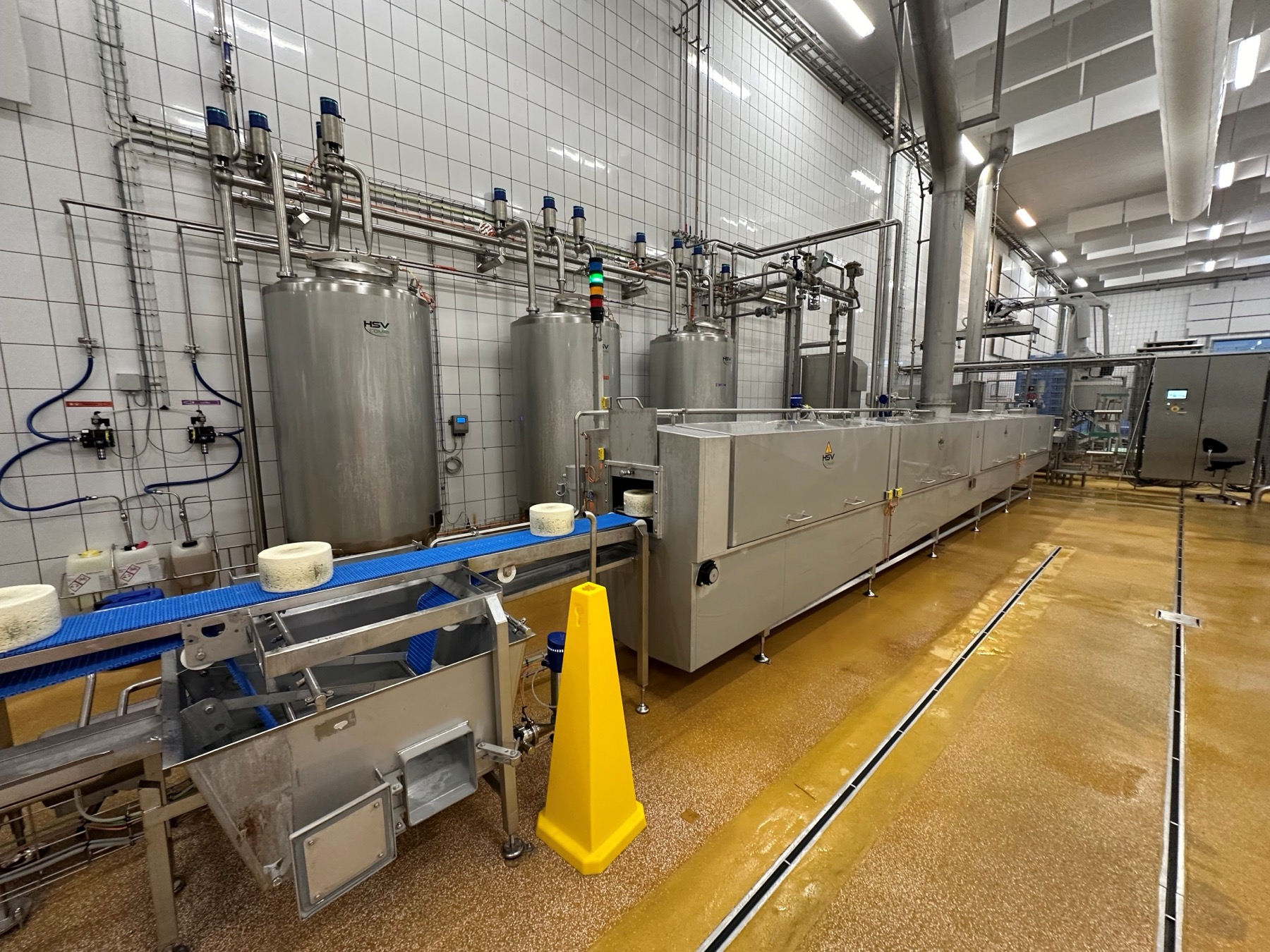
Washing of cheese as part of the sequence between brining and ripening, adapted to the product's surface and handling.
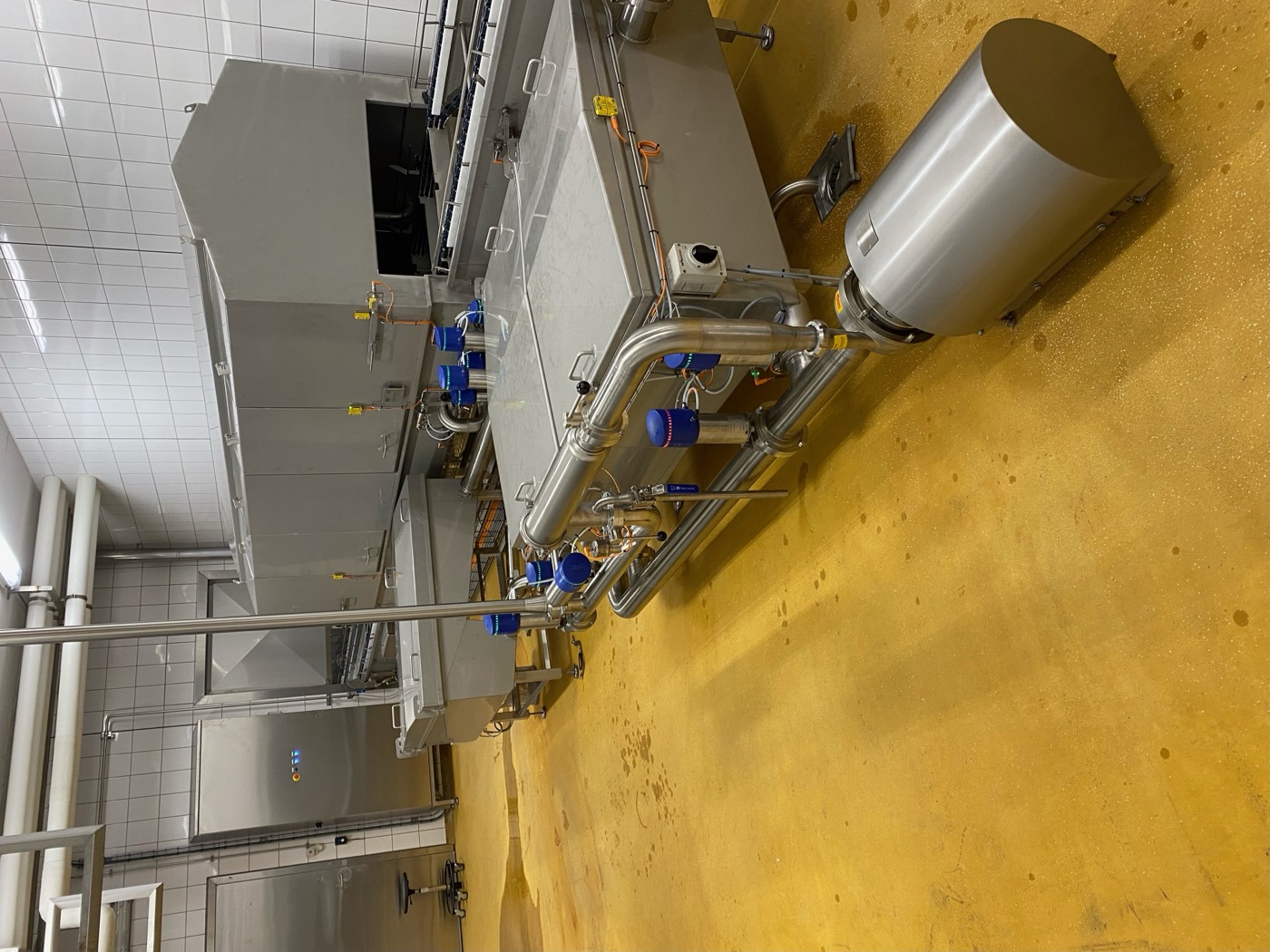
Cleaning of the entire mold circuit. Lid removal and lid placement can be included, so the molds return clean to filling.
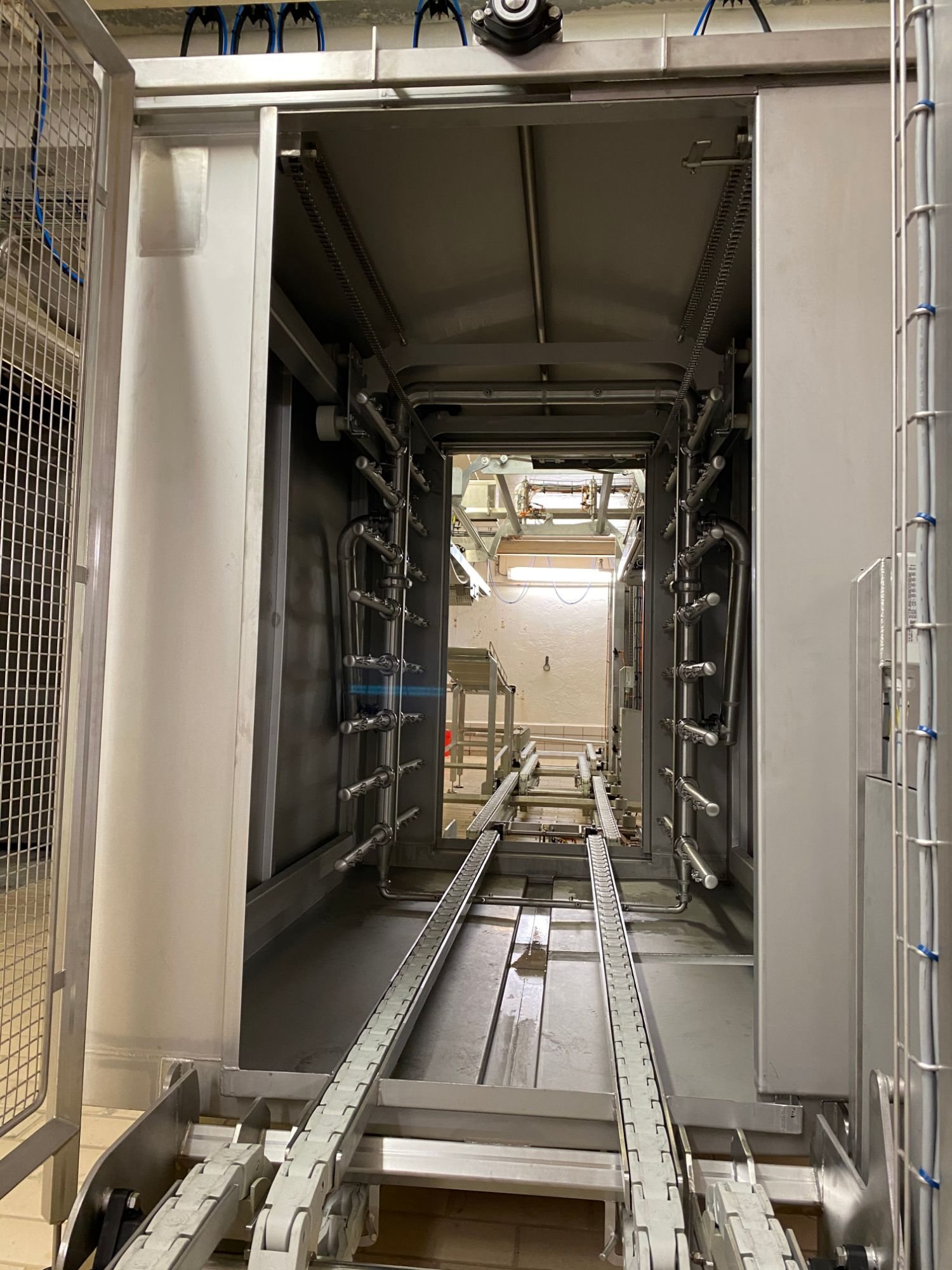
Items that do not fit a standard machine get a washing line built for the job.
Complete washing line
A line can cover the entire sequence, so the items leave the machine ready to go straight back into production.
The scope is chosen according to item, capacity and cleaning requirements. A line can be built as a single machine or as a continuous sequence.
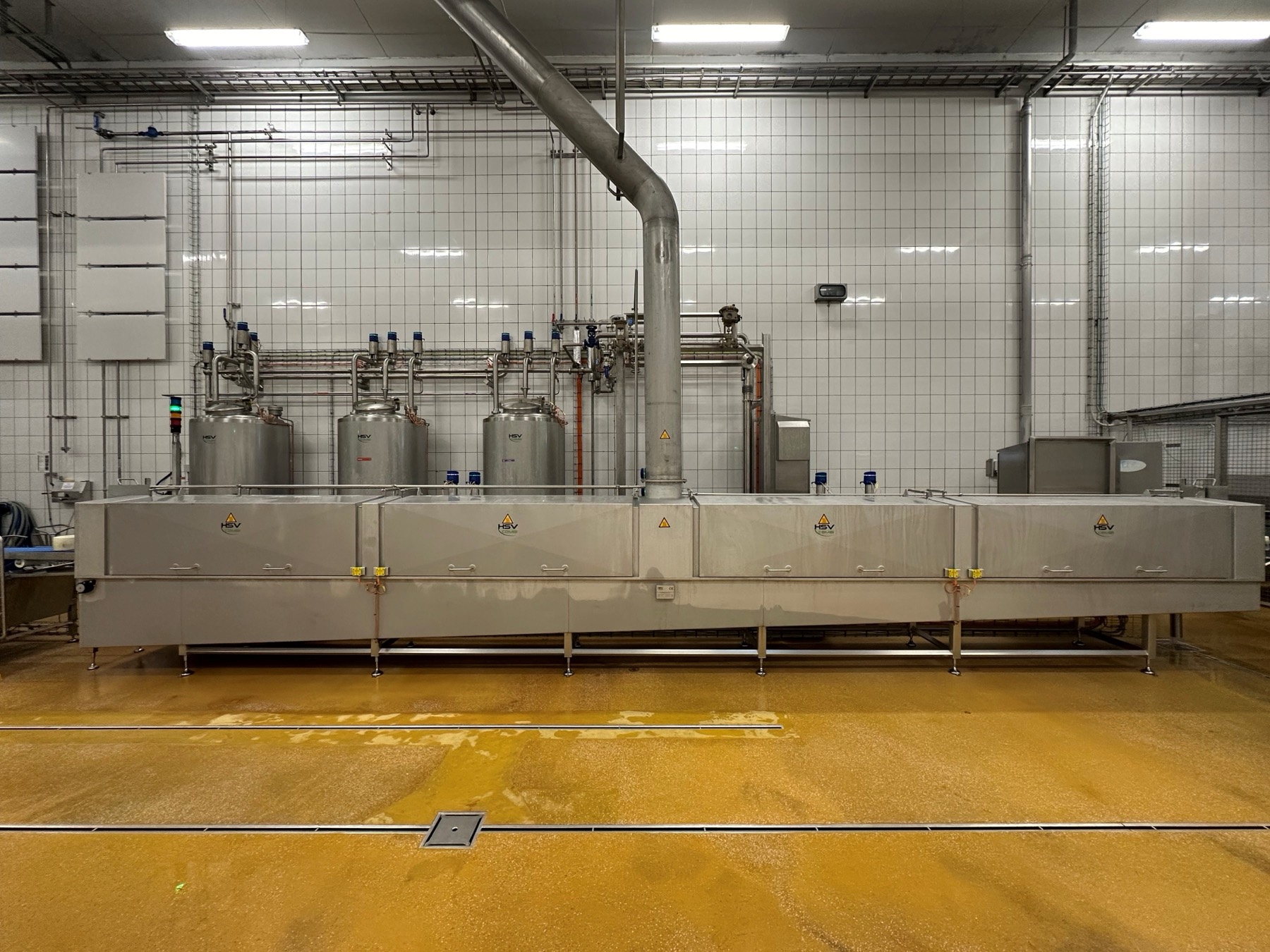
Process zones
The zones are selected and sized individually. The sequence makes it possible to reuse water from the clean zones in the dirty ones.
Water, energy and chemicals
Operating economy is decided in the zones. Water, energy and chemicals are evaluated through reuse, recirculation, filtration, insulation and demand-based control – and the solution is adapted to the required capacity, the cleaning requirements and the budget.
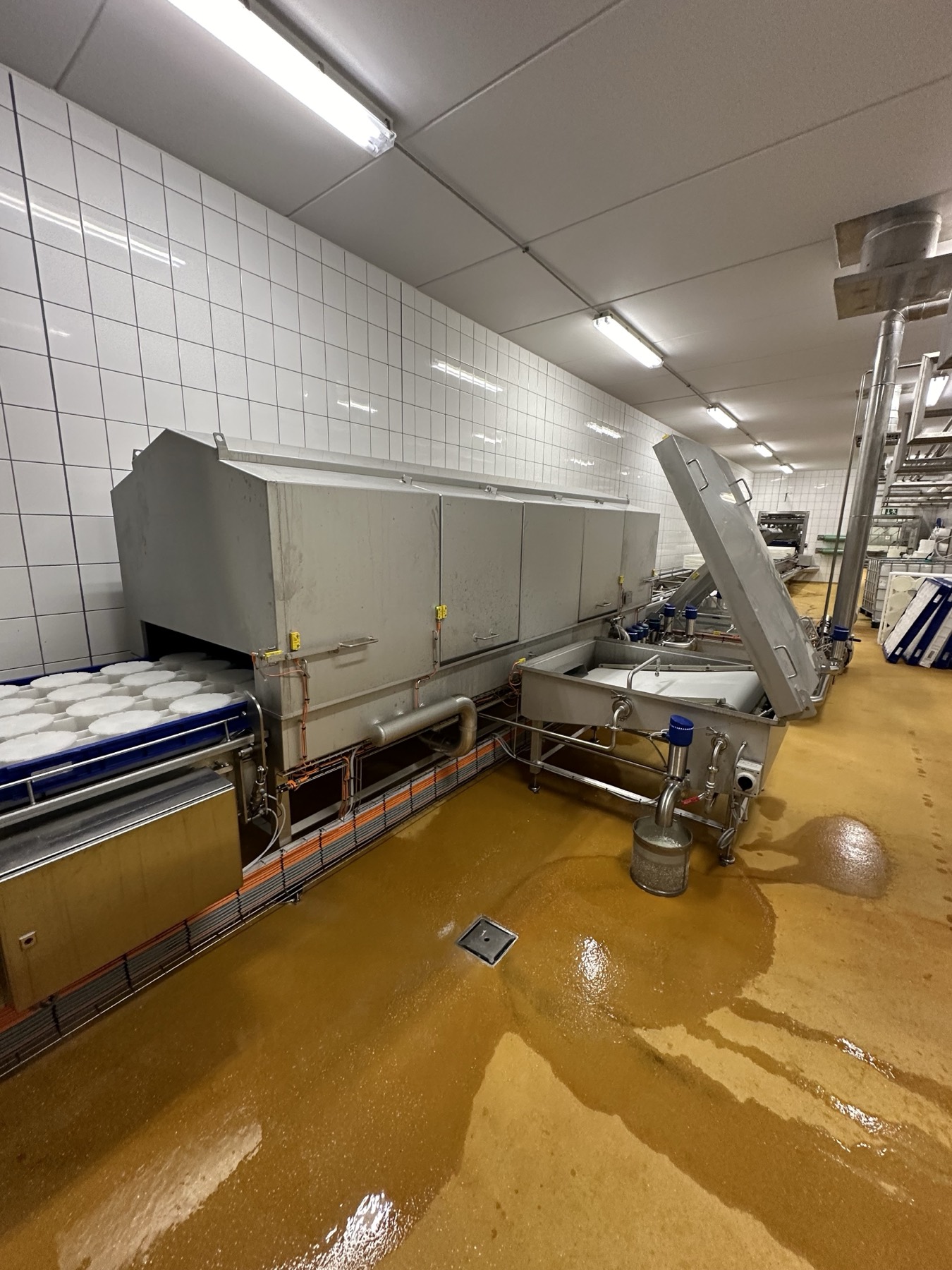
Service-friendly design
Nozzles, filters, tanks, pumps and valves are positioned so they can be inspected and maintained. The machine must both clean the item and itself be practical to keep clean.
Documentation
The logging provides a better basis for documentation but does not replace your hygienic validation.
Documentation for cleaning validation
We can log program, time, temperature, flow, pressure, concentration and alarms. This gives your quality organization a documented basis for checking and validating the cleaning result.
Design parameters
Washing lines are customized, so we do not show fixed specifications. These are the parameters we size for together with you.
Talk cleaning with us
Tell us about the item, capacity, cleaning requirements and the utilities you have. Then we propose zones, reuse and degree of automation.