
How we work · Documentation
Documented quality throughout the project
Documentation, inspection and testing are planned from the first requirements to final handover and the as-built package.
What do you get out of it?
Documentation is created as we go – not at the end
Requirements for drawings, calculations, certificates, inspections, tests and manuals are clarified early and tracked in the document plan.
What this means for you
- You know from the start which documents you will receive
- Inspection and testing are planned, not improvised
- Market requirements shape the design while it can still be changed
- At handover the package is complete – not scattered across emails
Documentation package
What is included in the documentation
The scope is agreed in the document plan and adapted to the size of the plant and your market.
- Process
- Process flow, P&IDs and functional descriptions.
- Drawings
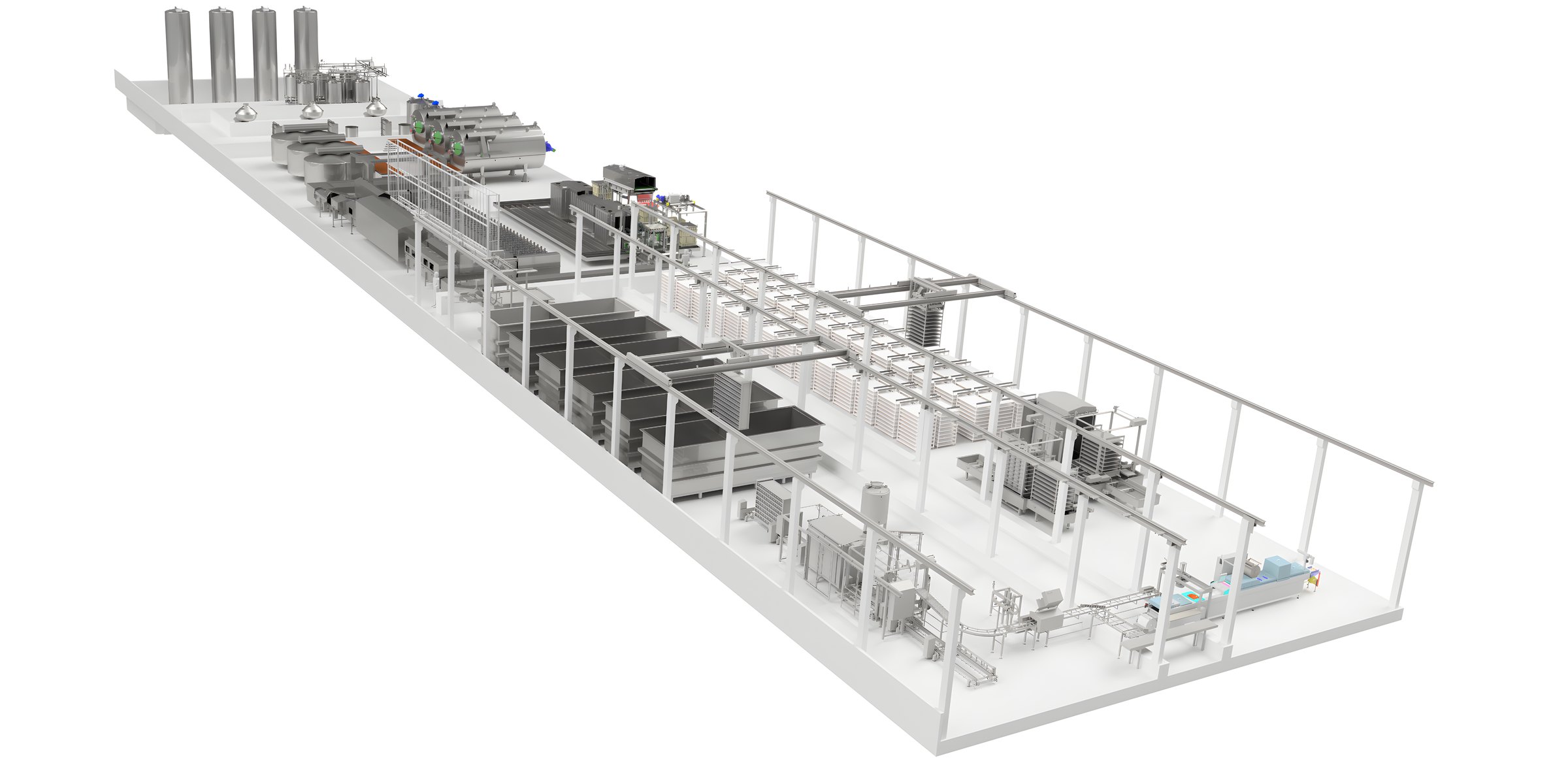
- 3D layouts and drawings of plant, machines and tanks.
- Lists
- Component, instrument, valve and pump lists.
- Materials and welding
- Material and welding documentation for the manufactured equipment.
- Inspection and testing
- Inspection and test protocols from manufacturing and testing.
- FAT and SAT
- Protocols from testing before delivery and testing after installation.
- Operation and maintenance
- Manuals and spare parts lists for operators and technicians.
- As-built
- Updated documentation showing the plant as it stands at handover.
Quality in every phase
Quality is not a final inspection
It is created through requirements, design, component selection, hygiene, manufacturing, testing and documentation – in the order the project progresses.
- RequirementsProcess, hygiene, electrical and market requirements are identified and written down.
- Design and engineeringThe requirements are turned into design, component selection and calculations.
- Manufacturing and inspectionMaterials, welding and inspections are documented along the way.
- Testing and handoverFAT, SAT, commissioning and as-built documentation.
Market requirements
Market requirements must be known before design begins
Requirements for machinery, food contact, electrical, pressure equipment and market-specific approvals must be identified early, because they affect design and component selection.
The same plant can require different documentation depending on where it will be located. That is why we bring the market into the first clarifications – not at handover.
- EU
- CE marking and the Machinery Regulation, including requirements for food contact, electrical and pressure equipment.
- USA
- 3-A for hygienic design and ASME for pressure equipment.
- Canada
- CRN registration of pressure equipment in the relevant province.
What happens next?
Tell us the requirements for your plant
The earlier we know the market, your internal standards and the documentation requirements, the less it costs to meet them.