
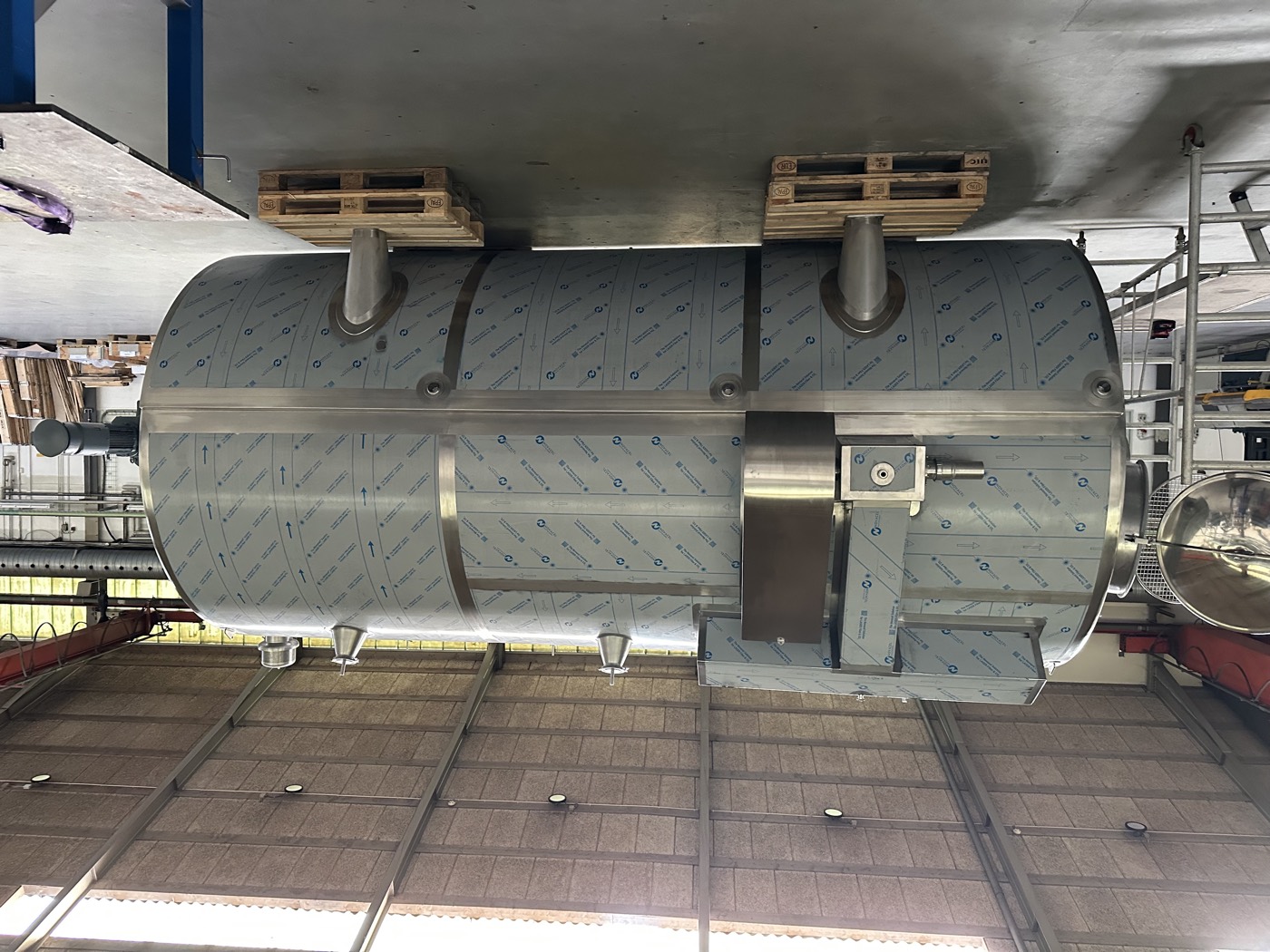
Cheese vats
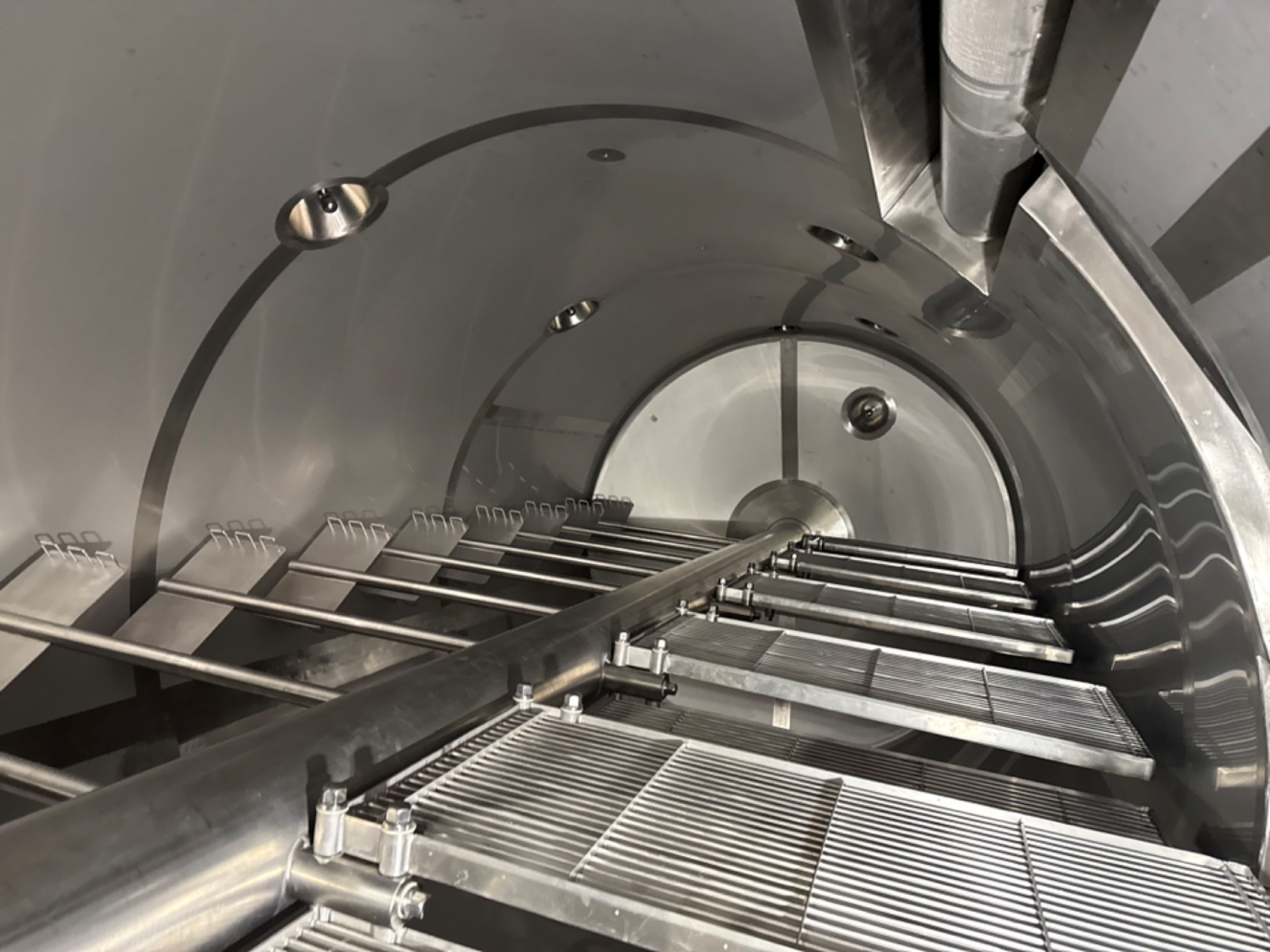
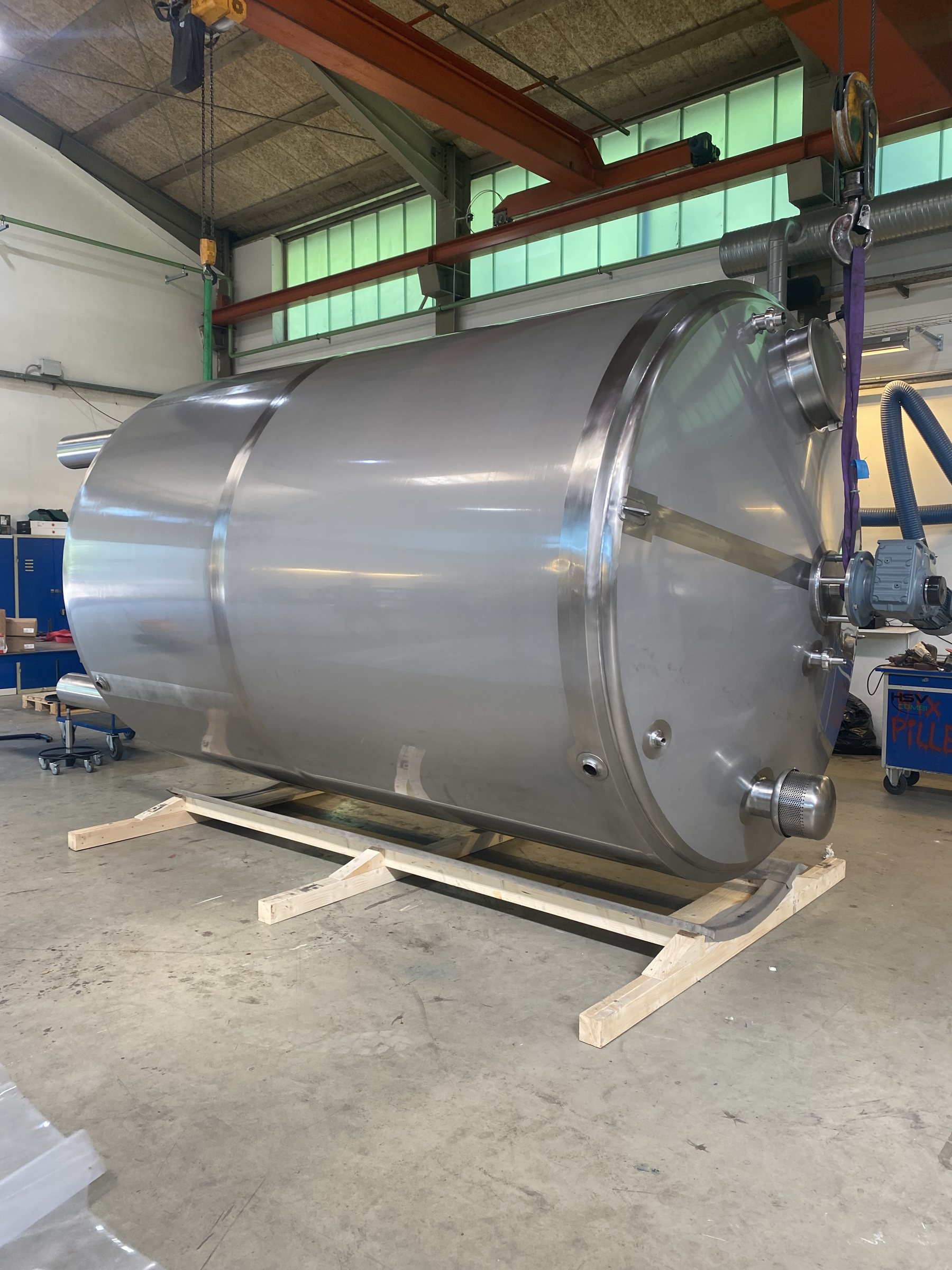
From flexible small-scale solutions to vats of up to 20,000 liters. Geometry, cutting, stirring, temperature and CIP are adapted to the process.
Call us: HSV Combi +45 42 75 53 54
Solutions
Custom-designed solutions for the cheese industry
From the first process idea to a plant in stable operation – developed around your product and your production.
All solutionsEquipment
Equipment for every step in cheese production
Find the equipment by the process step you are working on – or explore the whole cheese plant.
Explore the interactive cheese plantFrom milk to curd
From treatment of milk and curd to draining, pre-pressing and filling into molds – adapted to your cheese type, capacity and weight accuracy requirements.
In brief – for those making the investment decision
Potential operational effect
Potential for more uniform cheeses, higher weight accuracy and less product waste.
Basis for calculation
Risk and other value
Recipe control and data logging can make quality less dependent on the individual operator – and process and cleaning are designed together.
The expected effect is calculated from your baseline and depends on product, process, capacity and operation.
Equipment
Each element is sized for the step before and after, so curd, whey and molds move in step.
From flexible small-scale solutions to vats of up to 20,000 liters. Geometry, cutting, stirring, temperature and CIP are adapted to the process.
Gentle reception and controlled onward transport of curd and whey between process steps.
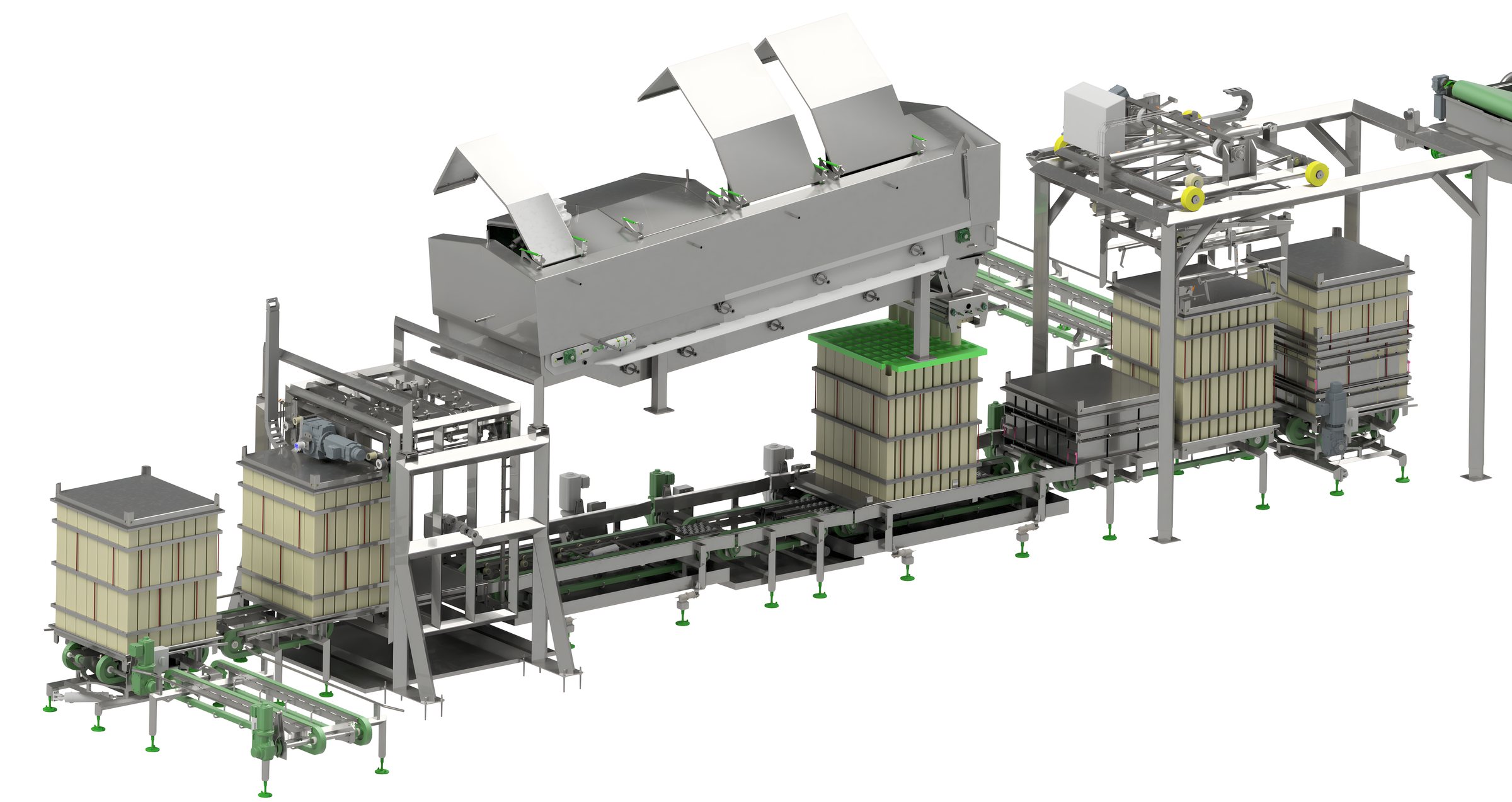
Controlled separation of whey and curd according to product, capacity and desired residual whey.
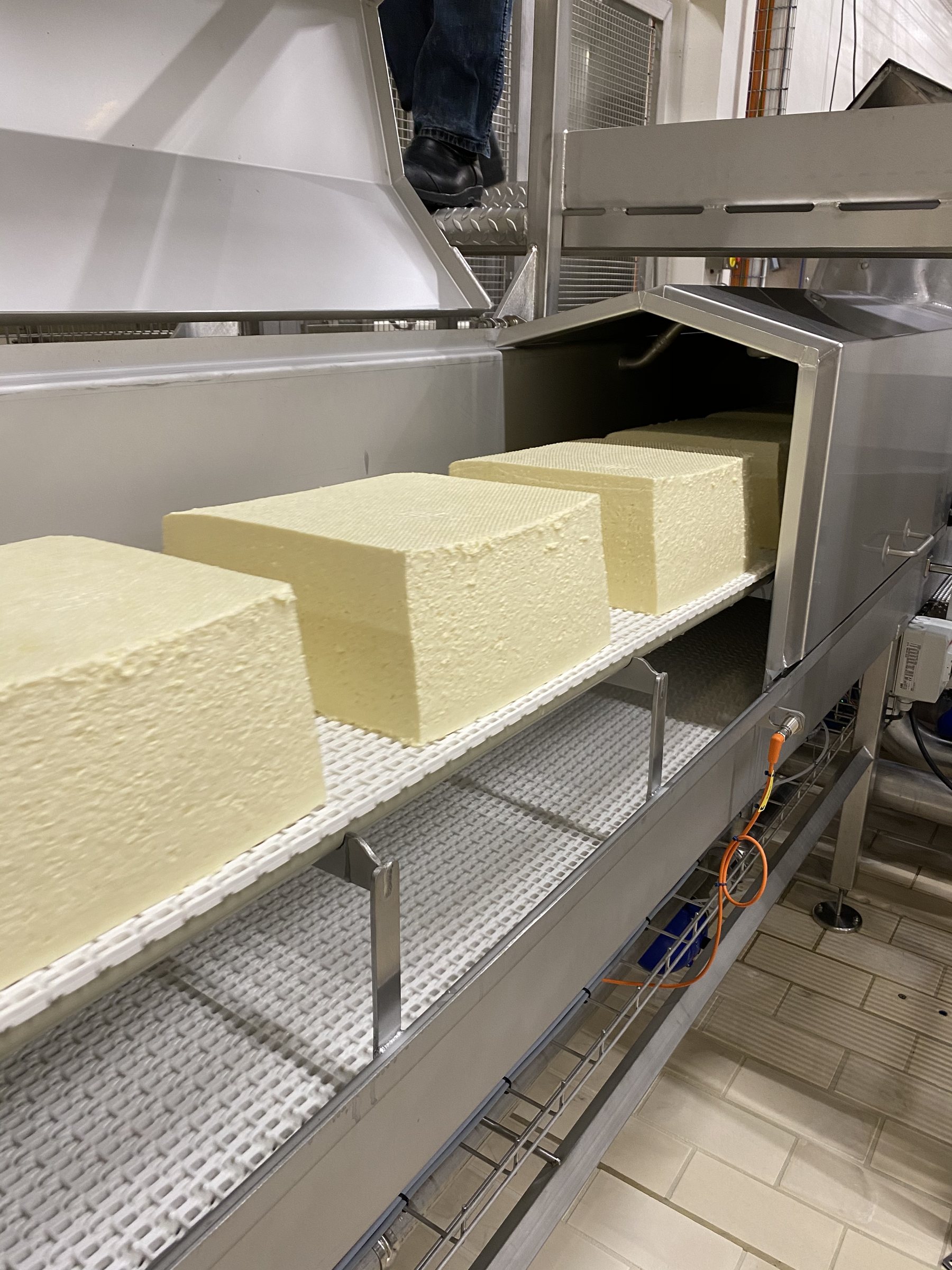
Draining, consolidating and pre-pressing before portioning and filling into molds.
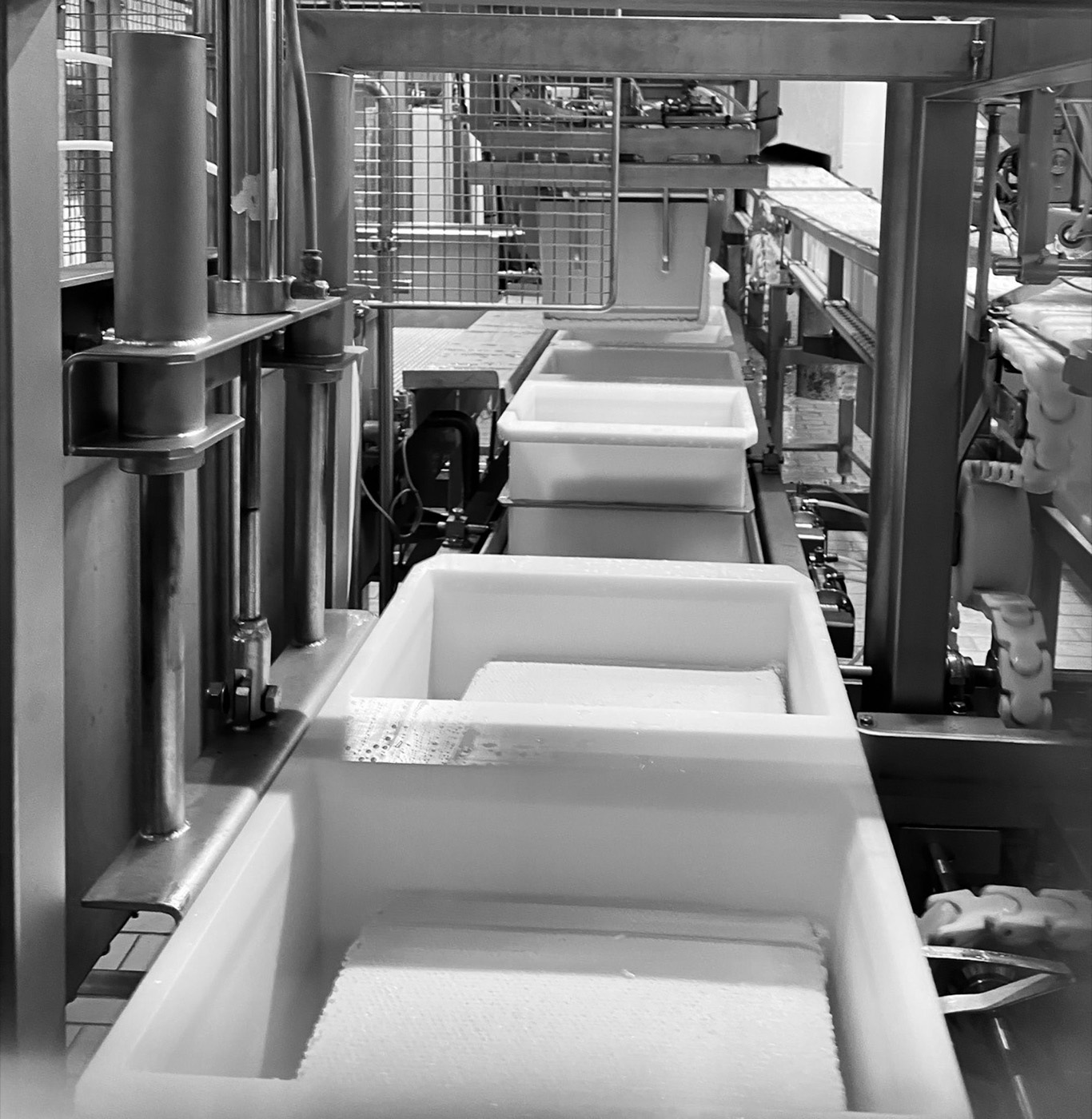
Uniform distribution in the mold and high weight accuracy. The matrix has a major influence on how closely each cheese hits its target weight – and thus on how much overweight you give away.
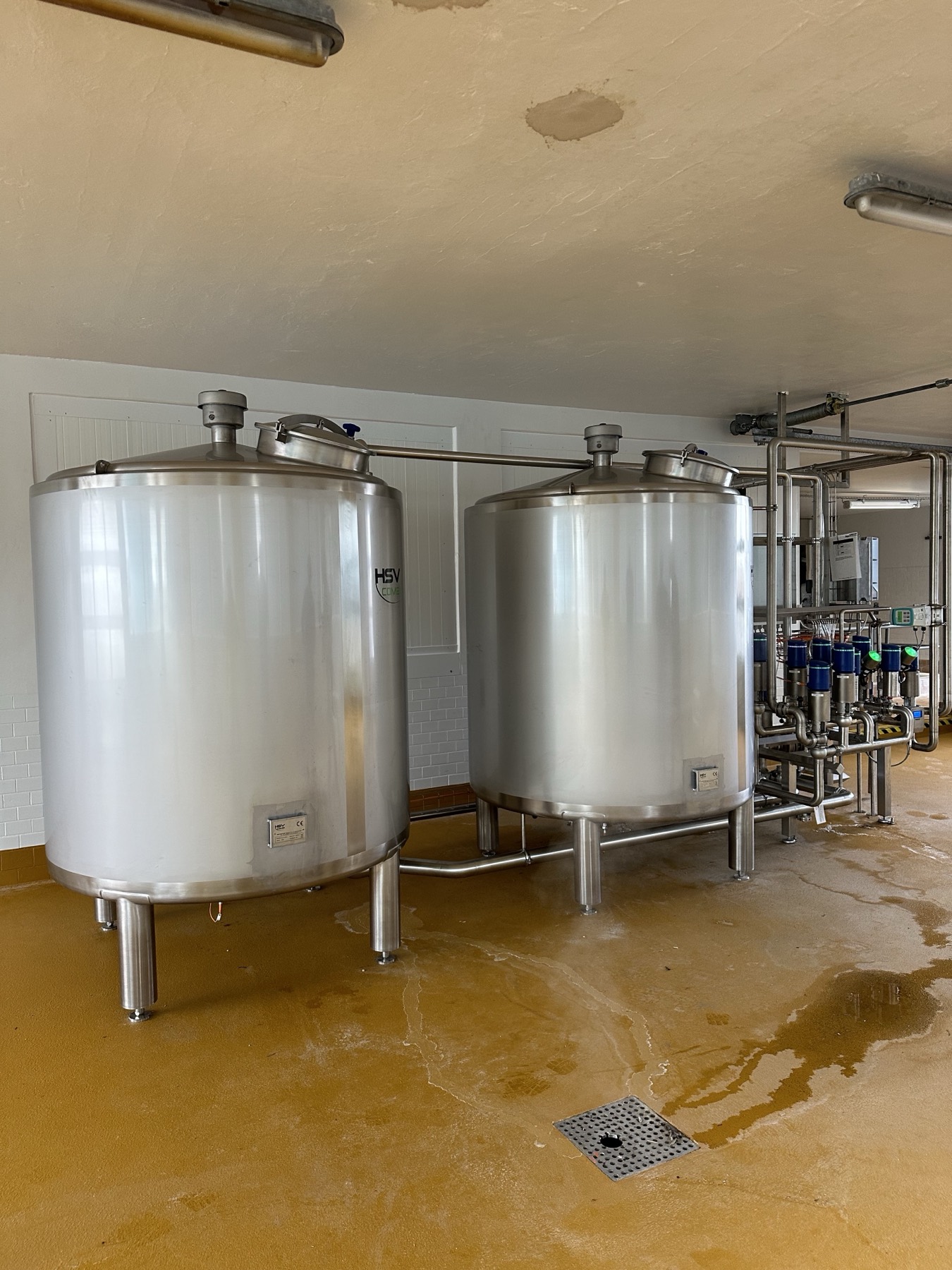
Screens, tanks, pumps, valves, piping and CIP – optionally assembled as a skid unit.
Technical key
The cheese type determines whether the curd is pre-pressed and then final-pressed, or whether the curd mass is filled directly into molds and drains on its own. That is why the equipment is chosen according to the product.
Process principle 1
With Danbo, for example, the curd is pre-pressed under whey. The coherent curd mass is cut into blocks, filled into molds and final-pressed.
Process principle 2
With Havarti, for example, the curd mass is drained before mold filling – on a drainage belt or vibrating screen. The molds are filled through filling matrices, after which the cheese can be self-pressed, turned or final-pressed depending on the product.
Design parameters
Our equipment is custom-designed, so we do not publish fixed specifications. These are the parameters we size for together with you.
Weight accuracy
Accuracy is built up through the entire sequence: uniform distribution, a stable level, controlled draining, precise cutting and portioning – and, where relevant, continuous weighing and adjustment.
Call and tell us about the cheese
Tell us about your product, capacity and current plant. We will help clarify which equipment and which process fit.
Contact