How we work · Feasibility studies
A solid basis for decision before the major investment
Paid feasibility studies turn needs into calculations, diagrams, layouts, technical concepts and a clear basis for the next decision.
In brief – what do you get out of a feasibility study?
Potential operational effect
The investment is targeted at the effect you need to achieve – capacity, operation, quality or working environment.
Basis for calculation
- Capacity and bottlenecks
- Staffing
- Stops and uptime
- Water, chemicals and energy
- Cleaning time
- Quality and waste
Risk and other value
Assumptions, interfaces, risks and open items are described and assessed before the investment is committed.
The expected effect is calculated from your baseline and depends on product, process, capacity and operation.
A service in its own right
A feasibility study is a service – not an extended sales proposal
The customer buys a structured analysis and a documented basis for decision, not just an extended sales proposal. The feasibility study is paid work with an agreed scope, an agreed price and an agreed deliverable.
- You own the material and can use it going forward – including in dialogue with other parties
- The scope is agreed in advance, so you know what you get
- Know-how on cheese production is part of the work from the first meeting
- The result is a basis for the next decision, not pressure to buy
Investment basis
From technical solution to investment basis
A major project is rarely approved on a machine description alone. Management, CAPEX and procurement need to see which problem the investment solves, what effect it is expected to create, which assumptions the calculation is based on, and which risks have been addressed.
HSV Combi can supply the technical and operational data that go into the customer's business case. We do not present undocumented savings; we help build a thorough, traceable basis for the decision.
-
Baseline
What does it look like today?
- Production capacity and current bottlenecks
- Staffing and manual work routines
- Stops, faults and maintenance needs
- Water, chemical and energy consumption
- Cleaning time and level of documentation
- Product quality, weight accuracy and any waste
- Working environment challenges
- Existing plant, building and utilities
-
Expected effect
What should the solution change?
- Increased capacity or the option to expand capacity
- Reduced staffing requirement or less dependence on individual staff
- Lower consumption of water, chemicals and energy
- Shorter cleaning and changeover time
- Higher uptime and fewer production stops
- More consistent quality and fewer deviations
- Better documentation and traceability
- Improved working environment and safety
- Compliance with relevant requirements
-
Investment basis
What should management base the decision on?
- Investment level and scope of supply
- Expected annual operational effect
- Expected payback period
- Total cost of ownership, TCO
- Technical and financial assumptions
- Risks, interfaces and open items
- Phasing and future expansion options
- Non-financial value such as working environment, environment, food safety and compliance
An important distinction
The final business case and financial approval belong to the customer. HSV Combi provides the technical basis for decision and, together with the customer, can turn process data, capacities, resource consumption and solution options into documented assumptions for the calculation.
Possible deliverables
What a feasibility study can contain
The content is put together to suit the project. A feasibility study can cover a single process step or a complete plant.
- Process description and flow diagram
- Capacity calculations
- P&IDs
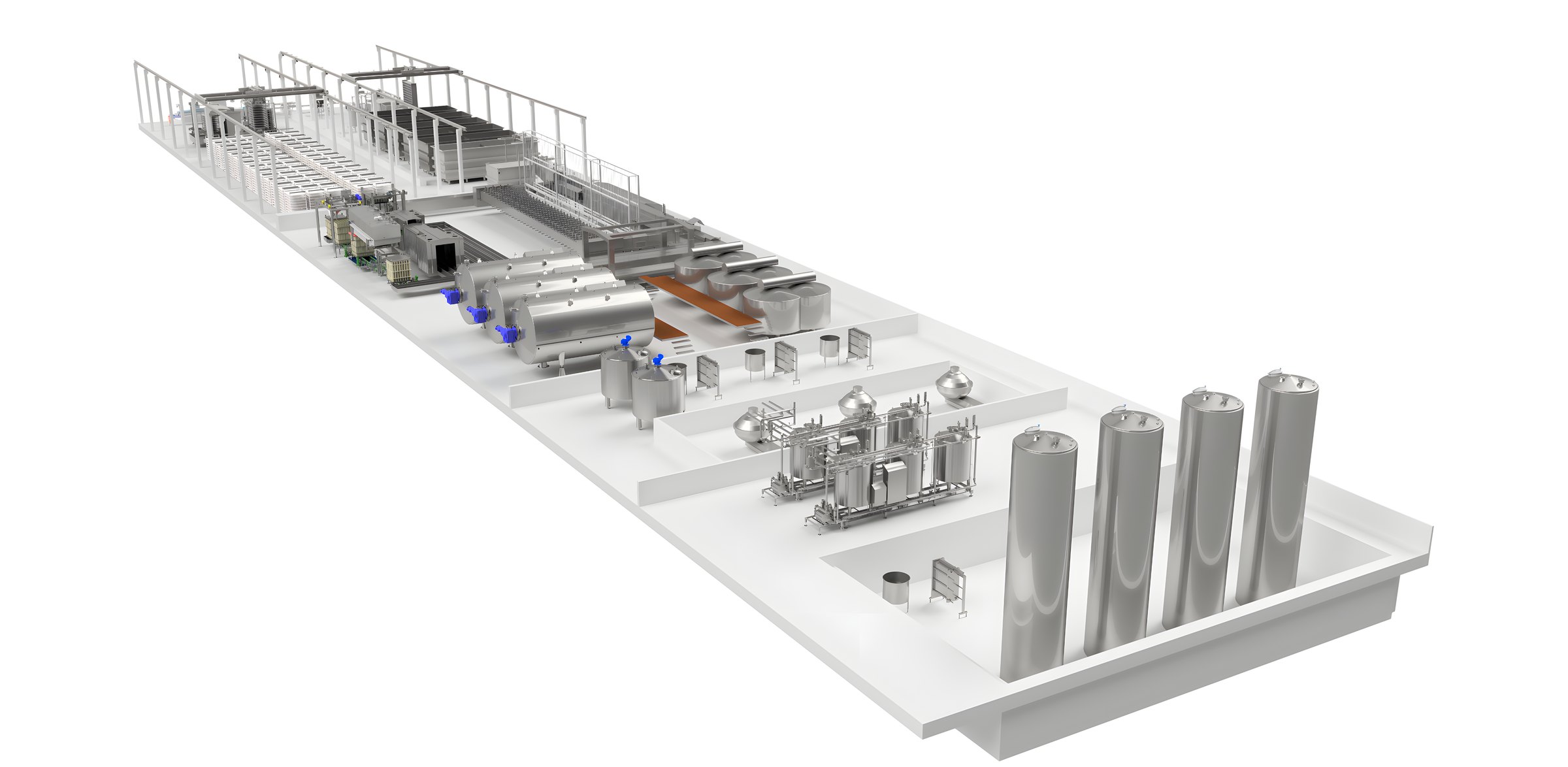
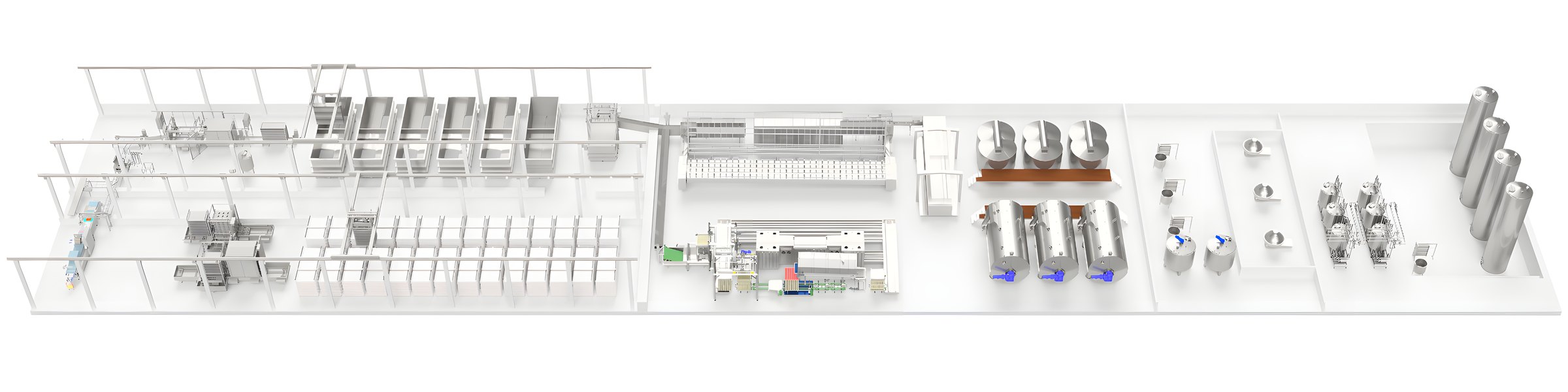
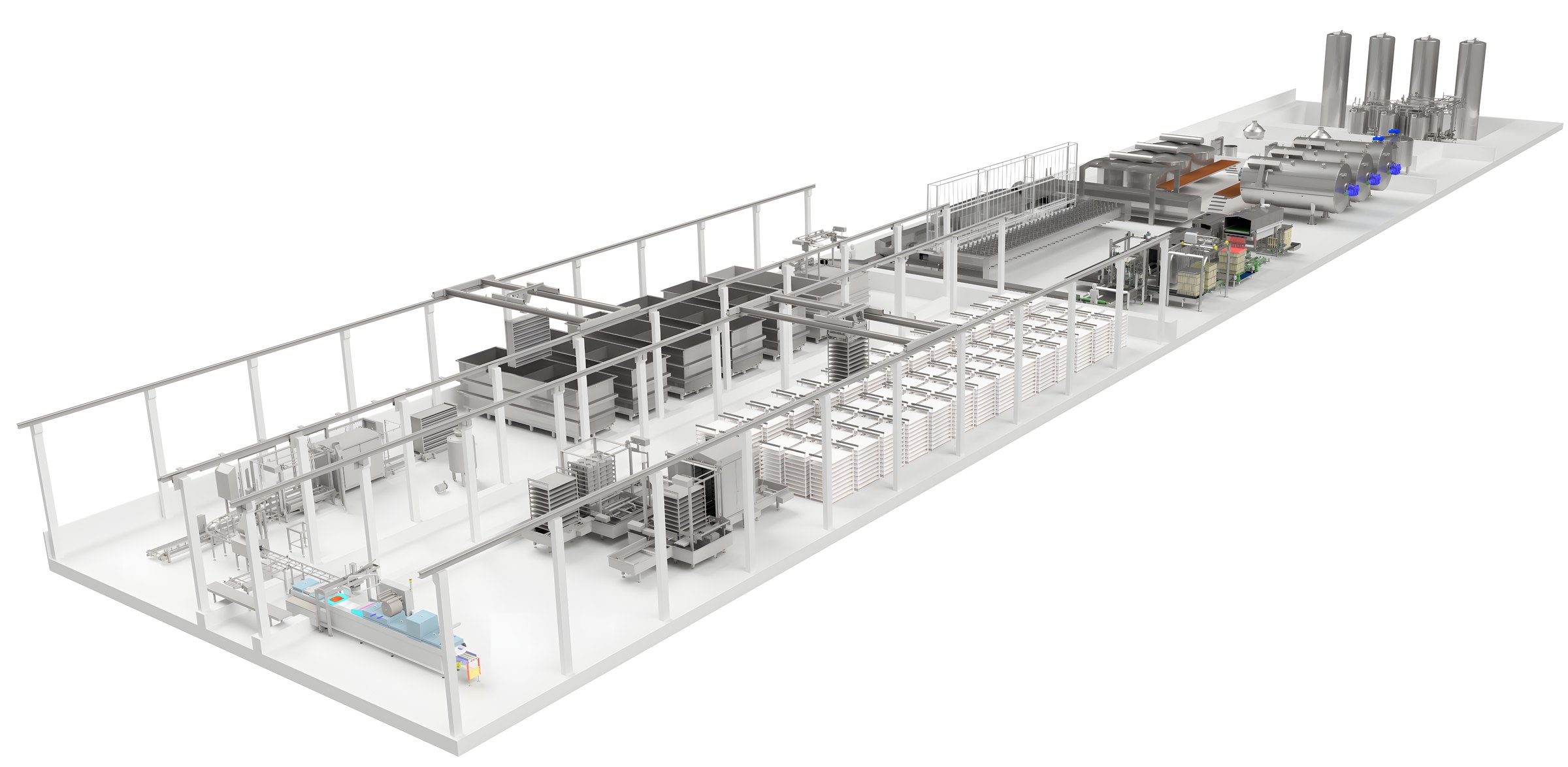
- Equipment concepts and 3D layouts
- Utility requirements
- Scope and interfaces
- Project phases and schedule
- Budget estimate
- Risks and open questions
Where it fits in the process
The feasibility study comes before the decision
The knowledge built up in the feasibility study carries over into engineering and execution. You do not have to start over.
- Needs assessmentProduct, process, capacity, building and existing equipment.
- Feasibility study and process designCalculations, diagrams, layouts and technical concepts.
- Approval of solution and scopeScope of supply and interfaces are defined.
- Engineering and 3DThe approved basis is turned into a production-ready solution.
Documented experience
From feasibility study to turnkey delivery
The collaboration with ADL in Canada began with an extensive, paid feasibility study in which HSV Combi developed the technical basis for decision for the plant. The work covered process clarification, layout, P&IDs, 3D design, capacity calculations, equipment selection and planning of the complete production solution.
What happens next?
Start with a feasibility study – before you commit the investment
Tell us about the product, the capacity and the facility the solution has to fit into. We will then propose a feasibility study with a scope that matches the decision you need to make.
Contact