
Solutions · Optimization and retrofit
Get more out of your existing production plant
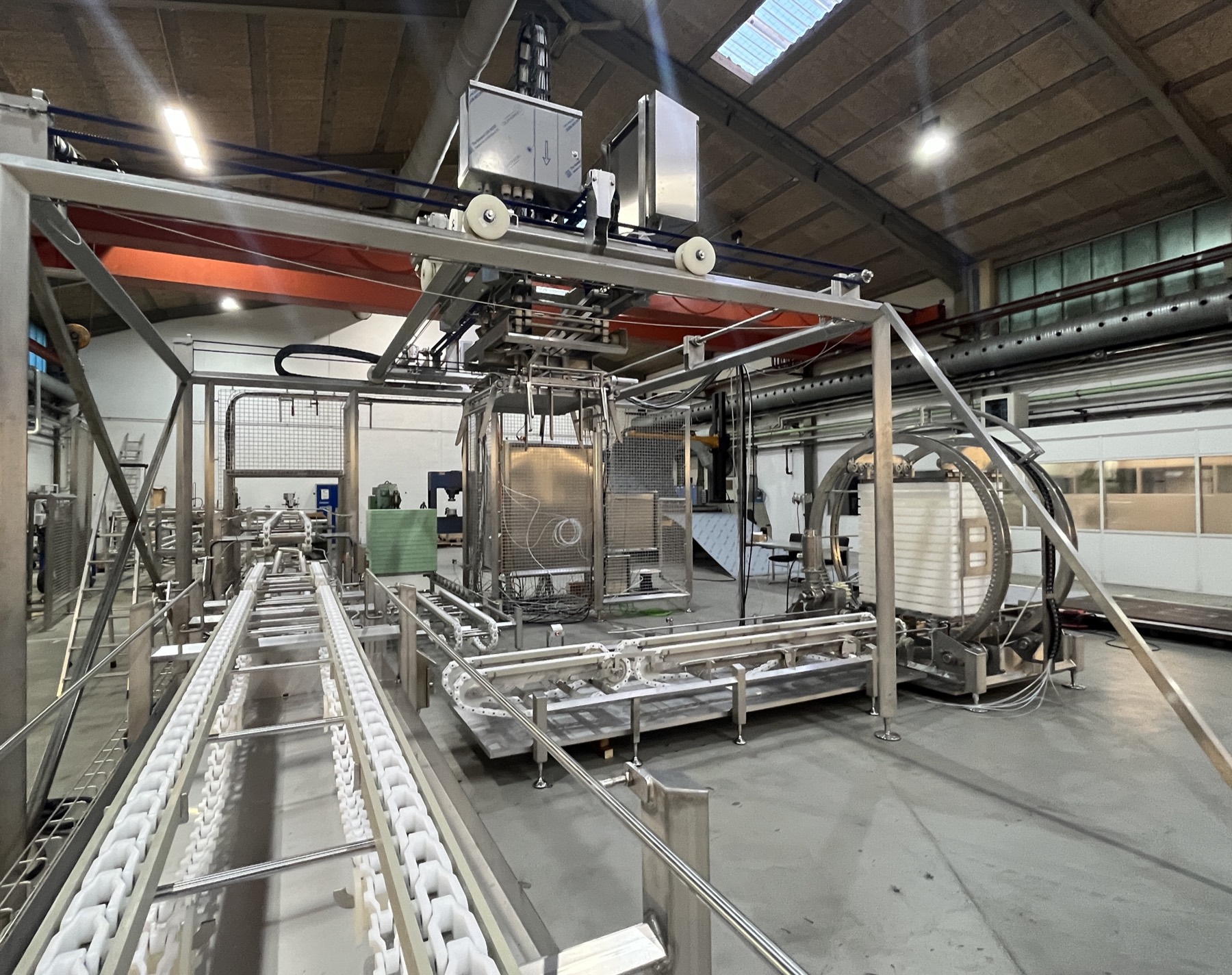
We analyze, adapt and further develop existing plants with a focus on capacity, operational reliability, hygiene, working environment and automation.
In brief – for those making the investment decision
Potential operational effect
More capacity and higher uptime from the existing plant.
Basis for calculation
- Output per hour
- Causes of stoppages
- Cycle times
- Buffer capacity
- Changeover time
- Maintenance
Risk and other value
The investment is targeted at the documented bottleneck instead of replacing more than necessary.
The expected effect is calculated from your baseline and depends on product, process, capacity and operation.
The analysis
Find the real constraint
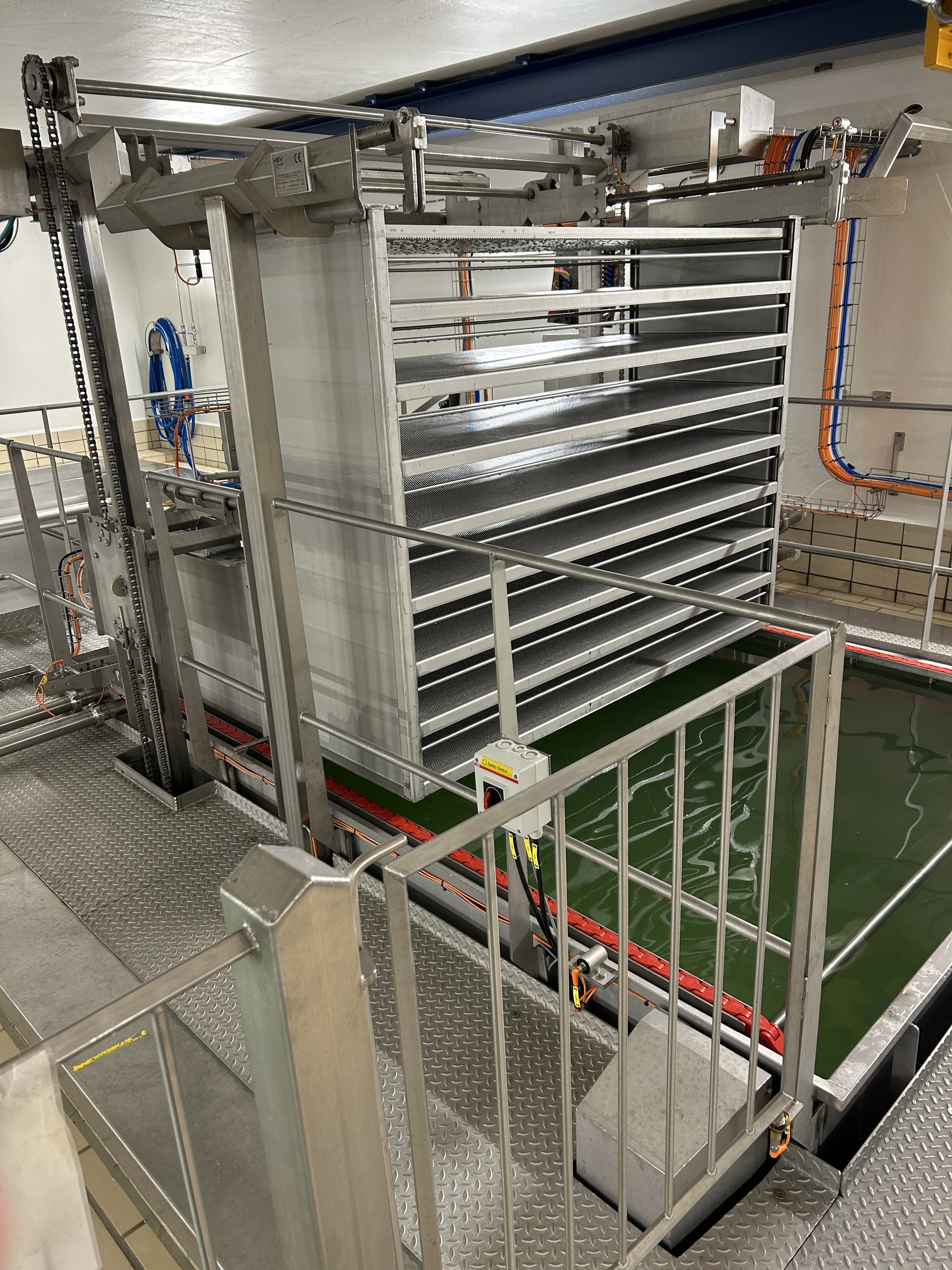
Capacity problems and stoppages are rarely caused by a single machine. They arise in the interaction between several parts of the plant.
That is why we examine the whole chain before the solution is defined – and tell you if the best solution is a different one than you had expected.
- Cycle times
- Buffers
- Internal conveying
- Cleaning
- Controls
- Operator access
Typical goals
What a retrofit typically needs to achieve
The goals are agreed before work begins, so both you and we can see whether the retrofit has worked.
- Higher capacity
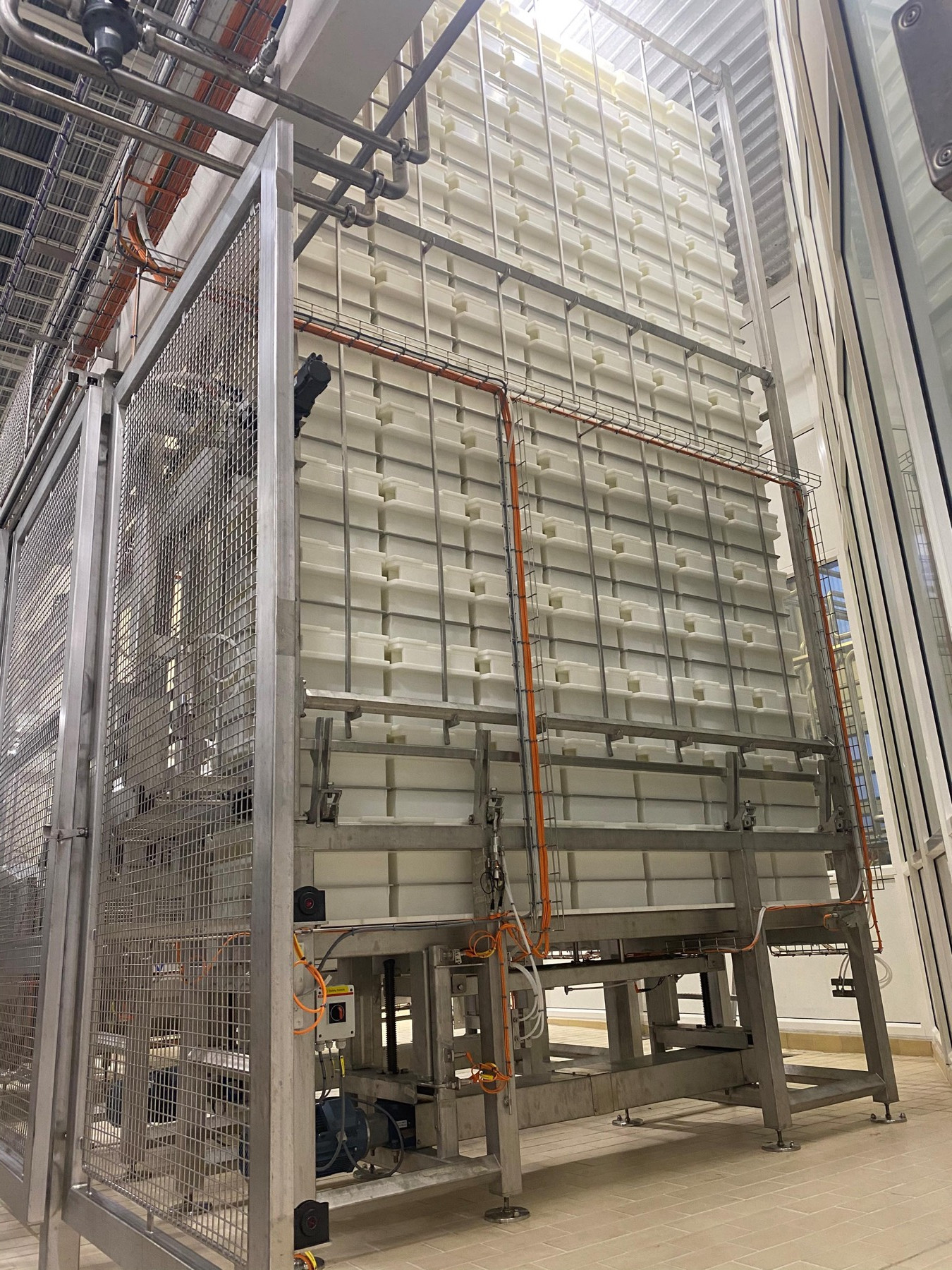
- More cheeses through the same line – and fewer unplanned stoppages along the way.
- Better hygiene
- Cleaning, accessibility and working environment are improved in the areas that are difficult today.
- Less manual work
- Heavy and repetitive handling is automated where it makes sense in operation.
- New products or formats
- The plant is prepared for new cheese types, formats or packaging.
- Lower consumption
- Less consumption of water, energy and auxiliary materials – and a longer service life for the equipment.
- Better utilization
- The existing equipment is reused where it can still do the job.
Two efforts, one organization
Urgent assistance now – permanent improvement afterwards
HSV Service can keep production running while our engineering and project organization develops the permanent improvement.
You do not have to tell the story twice. The knowledge the service technician gathers during troubleshooting is the same knowledge the project builds on.
How we start
Start by describing what is causing trouble
A stoppage that keeps coming back. A line that cannot keep up. An area that is hard to clean. That is enough to get started.
It helps us to know
- Which cheese types and formats the line runs
- Where and when the stoppages occur
- What capacity you need
- Which production stops can be scheduled
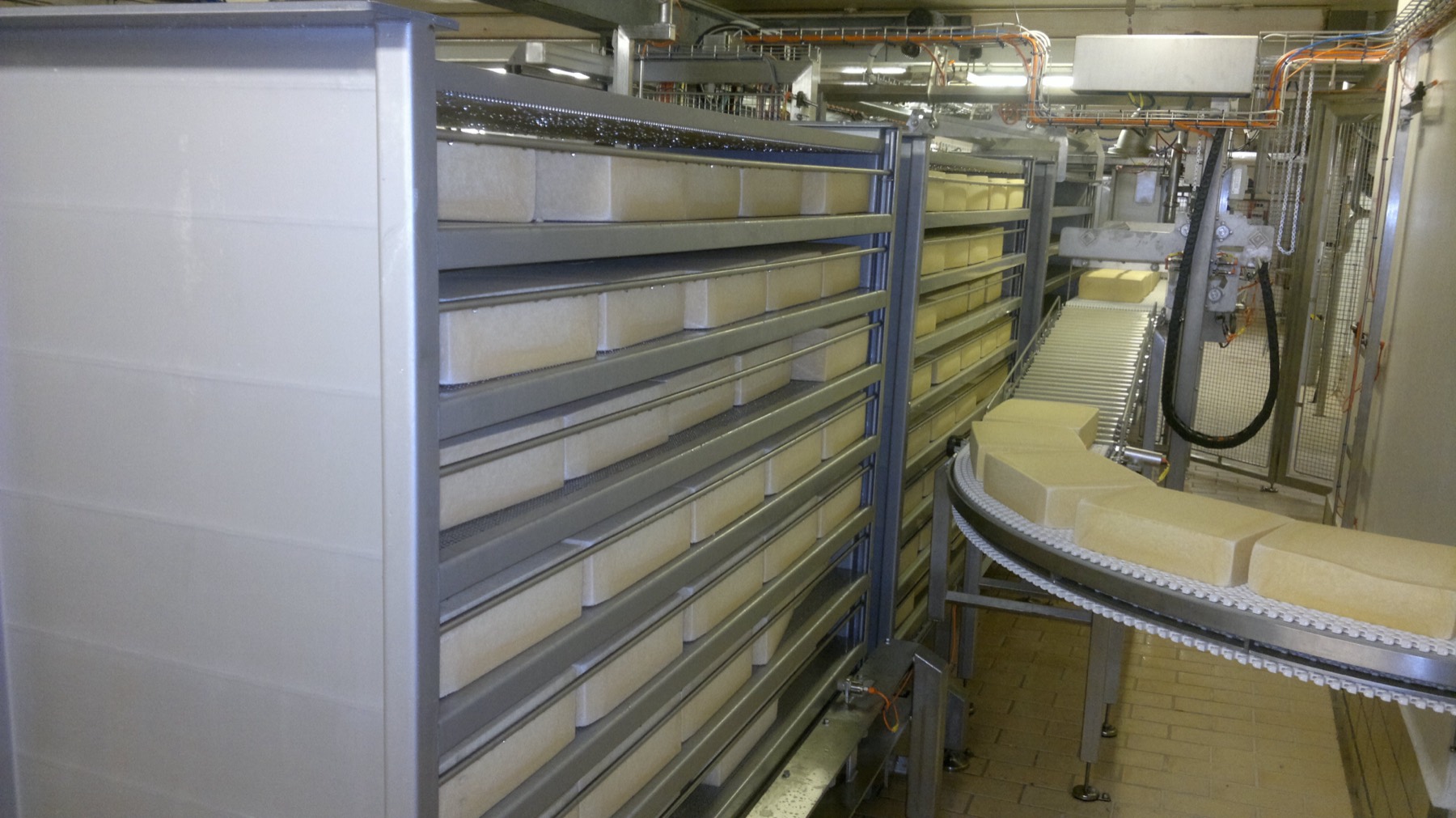
Drawings, photos or video of your current solution are always a help.
Contact